Fairy Garden Accessories: Best Styles, Materials & Placement Tips
Walk into any garden center and you’ll see shelves packed with tiny doors, miniature benches, and little glowing mushrooms. It’s easy to grab a handful of cute pieces and hope they look good together. But most fairy gardens end up looking cluttered, not magical, because the accessories don’t match in style, size, or material.
This article fixes that. It covers how to pick the right fairy garden accessories, which materials survive outside, and how to mix pieces so your garden looks like it belongs in a storybook instead of a dollar store bin.
What Counts as a Fairy Garden Accessory?
A fairy garden accessory is any small decorative item used to build a miniature scene, usually inside a pot, a garden bed, or a quiet corner of your yard. This includes fairy doors, tiny furniture, bridges, fences, lights, animals, and pathways. Some people build fairy gardens purely indoors in terrariums. Others create full outdoor scenes among real plants. Both approaches use the same basic building blocks, just in different sizes and materials.
The key is choosing accessories that share a theme. A rustic wooden bridge next to a glossy plastic mushroom looks mismatched. A rustic bridge next to a mossy stone path looks intentional.
Choosing a Style That Fits Your Garden
Before you buy anything, pick one style and stick with it. Here are the most popular directions, and who each one suits best.
Whimsical Garden Accessories
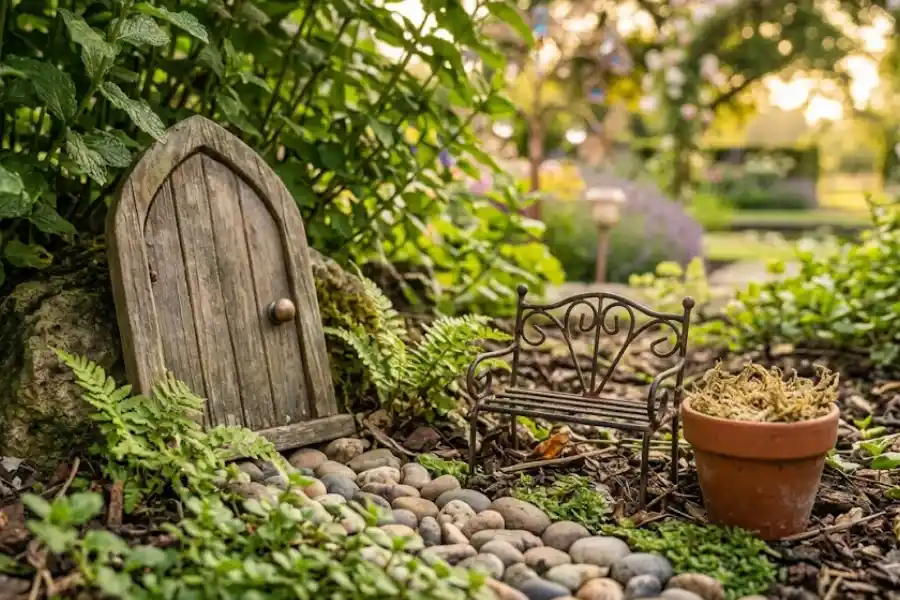
This is the classic fairy tale look: crooked little doors, glowing toadstools, tiny lanterns, and curvy paths. Whimsical garden accessories work best in shaded, mossy corners where the light already feels soft and dreamy. If you want your garden to feel like it came straight out of a children’s book, this is your style, and you can make it feel even larger by hiding small DIY outdoor garden mirrors behind the foliage to reflect the tiny setup.
Cute Garden Accessories
Slightly different from whimsical, cute garden accessories lean toward friendly animal figures, round shapes, and pastel colors. Think hedgehogs on tiny benches or bunnies pulling wagons. This style is a favorite for kids’ gardens because it’s playful without being spooky or overly detailed.
Vintage Garden Accessories
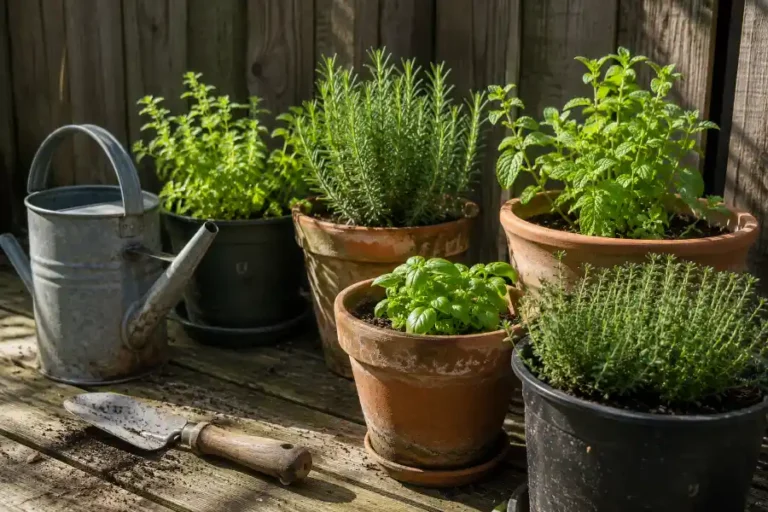
If you like a weathered, timeworn look, go vintage. Vintage garden accessories often use aged metal, faded paint finishes, and shapes borrowed from old European cottages, think wrought iron gates, worn watering cans, and chipped ceramic pots. This style photographs beautifully once it has a little natural weathering from rain and sun.
Japanese and Zen Garden Accessories
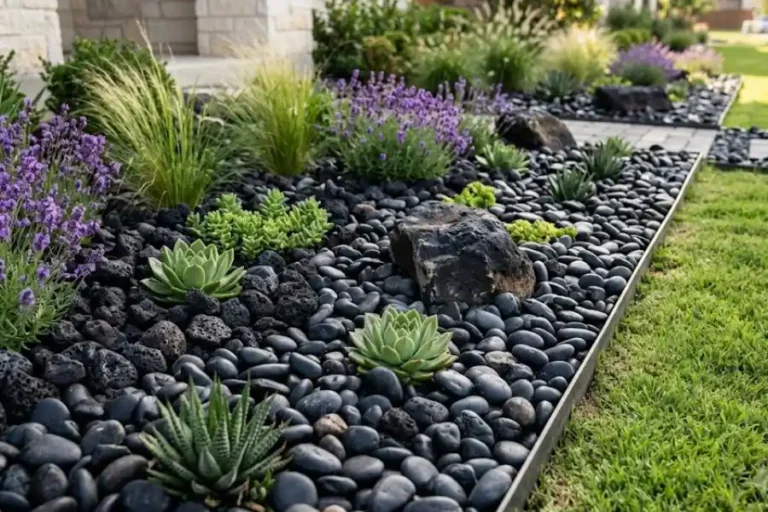
Japanese garden accessories and zen garden accessories focus on simplicity rather than clutter. Think small stone lanterns, raked sand, smooth pebbles, and a single miniature bridge or pagoda. This style suits minimalist gardeners who want calm, not chaos. Less is genuinely more here. Two or three well-placed pieces will outshine a dozen random ones.
Cottage Garden Accessories
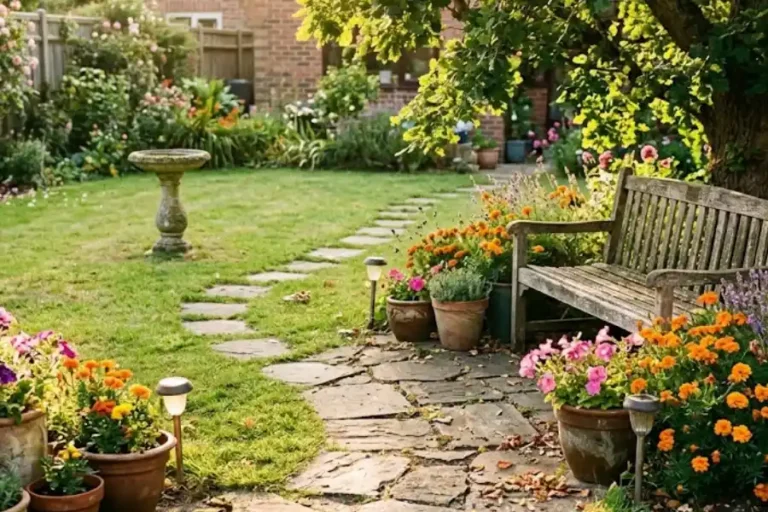
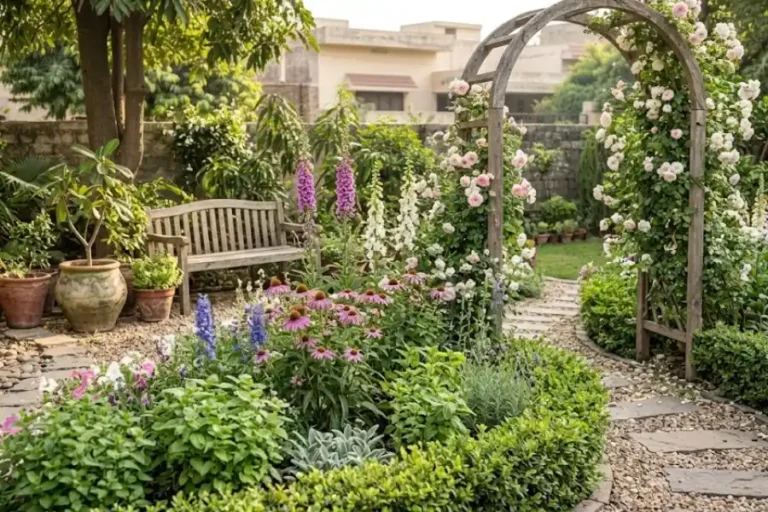
For a soft, overgrown, romantic feel, cottage garden accessories pair naturally with climbing flowers, picket fences, and rustic benches. This style works well in sunny beds packed with real blooms, since the accessories are meant to peek out between the flowers rather than take over the scene.
Modern and Luxury Garden Accessories
Not every fairy garden needs to look old fashioned. Modern garden accessories use clean lines, geometric shapes, and matte finishes instead of the usual cottage clutter. Luxury garden accessories take this further with premium materials like polished stone, brushed metal, or hand-finished resin, built for gardeners who want a designer look rather than a craft-store one.
Unique Garden Accessories
If none of the above quite fit, look for unique garden accessories from independent makers on marketplaces like Etsy. Handmade pieces are usually one of a kind, cost more, but give your garden a personality that mass-produced sets simply can’t match.
Material Matters More Than Most People Realize
This is the part most buying guides skip, and it’s the reason so many fairy gardens fall apart within a year. The material you choose determines whether your accessories survive outside or crack after the first frost.
- Metal garden accessories and iron garden accessories are the most durable choice for true outdoor use. They handle rain and temperature swings well, though untreated iron will rust over time, a look many gardeners like for that aged, vintage feel.
- Terracotta garden accessories look beautiful and blend naturally into soil and greenery, but they are porous. In freezing climates, trapped moisture can crack terracotta over winter, so bring these pieces indoors or store them once temperatures drop.
- Resin accessories are the most common because they’re lightweight, cheap, and weather resistant. The trade-off is that cheaper resin can fade in direct sun over a couple of seasons.
- Wood accessories add warmth but need sealing, or they’ll rot within a year of outdoor exposure.
A simple rule: if it’s going outside year-round, choose metal, sealed resin, or treated wood. Save terracotta and unsealed wood for indoor displays or seasonal setups you plan to bring in before winter.
Don’t Forget Garden Wall Accessories
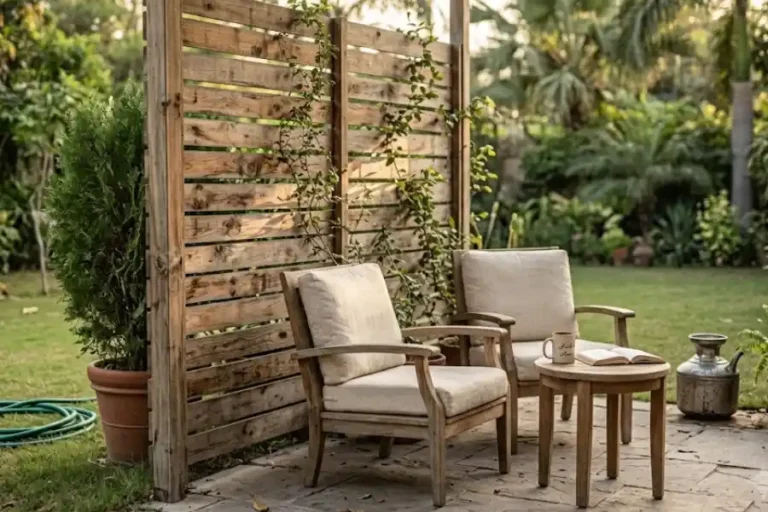
Most fairy garden guides only talk about ground-level pieces, but garden wall accessories are one of the easiest ways to add height and depth without crowding the base of your scene. Tiny wall-mounted shelves, climbing vine trellises, or a miniature window box attached to a fence instantly make a flat garden feel three-dimensional. If your fairy garden sits against a wall, patio edge, or raised bed, this is the detail that separates an average setup from a genuinely impressive one, especially if you blend them into the background alongside small Decorative Garden Stakes: The Simple Trick That Makes Any Yard Look Finished to create distinct layers.
Building a Garden Accessories Outdoor Setup That Lasts
A proper garden accessories outdoor setup needs more planning than an indoor terrarium. Here’s a short checklist based on what holds up outside:
- Choose a spot with partial shade so colors don’t fade as fast in direct sun.
- Stick to weather resistant materials for anything staying out year-round.
- Anchor lightweight pieces (small resin figures, mini fences) with a dab of outdoor adhesive so wind and pets don’t scatter them.
- Leave gaps between accessories so real plants have room to grow around them naturally.
- Check pieces every season and swap out anything cracked, faded, or rusted beyond your liking.
Three Mistakes That Ruin the Magic
After browsing dozens of fairy gardens online and in person, the same three problems come up again and again.
- Too many styles mixed together. One whimsical mushroom house, one modern geometric planter, and one vintage iron gate in the same tiny space looks chaotic, not creative.
- Wrong scale. A miniature door that’s too large next to a tiny bench breaks the illusion instantly. Keep proportions consistent across every piece.
- No focal point. A garden with ten accessories scattered evenly looks busy. A garden with one main feature, like a fairy house or a small pond, surrounded by two or three supporting pieces looks intentional and complete.
Frequently Asked Questions
Can fairy garden accessories stay outside all winter?
Metal, iron, and sealed resin pieces generally can. Terracotta and unsealed wood should be brought indoors or stored to avoid cracking from freezing moisture.
What size should fairy garden accessories be?
Most accessories follow a 1 to 12 scale, meaning one inch represents about one foot in real life. Sticking to this scale keeps your whole garden looking proportional.
Do fairy garden accessories work in pots without real plants?
Yes. Moss, small pebbles, and dried plant material work well as a base if you’d rather not maintain live plants.
How many accessories does a small fairy garden need?
Three to six well-chosen pieces usually look better than a dozen crowded ones. Start small and add slowly.
Final Thoughts
The best fairy gardens aren’t the ones with the most accessories, they’re the ones with the most thought behind them. Pick one style, choose materials that match your climate, and leave room for the scene to breathe. Whether you lean toward whimsical mushroom houses, a quiet zen corner, or a luxury modern layout, the same rule applies: fewer, better pieces will always beat a shelf full of random ones.