Moonlight Garden: Plants, Design & Care Tips
Most gardens go quiet at sunset. A moonlight garden does the opposite. It wakes up. Pale flowers start to glow. Sweet scents fill the air. Moths begin their quiet evening work. If you want your backyard to feel just as magical at night as it does at noon, keep reading.
I have helped plan a few of these gardens over the years. The same thing happens almost every time. People step outside after dark. They see the flowers glowing under the moon. They stop talking for a second. That quiet pause is the whole point.
What Is a Moonlight Garden?
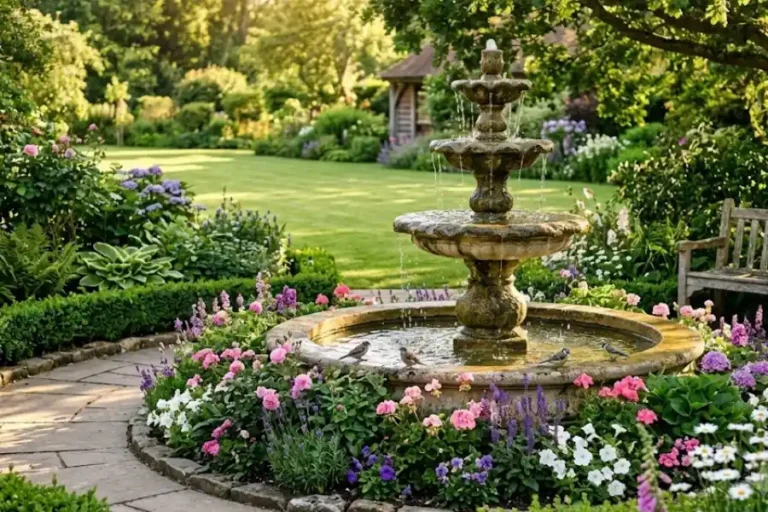
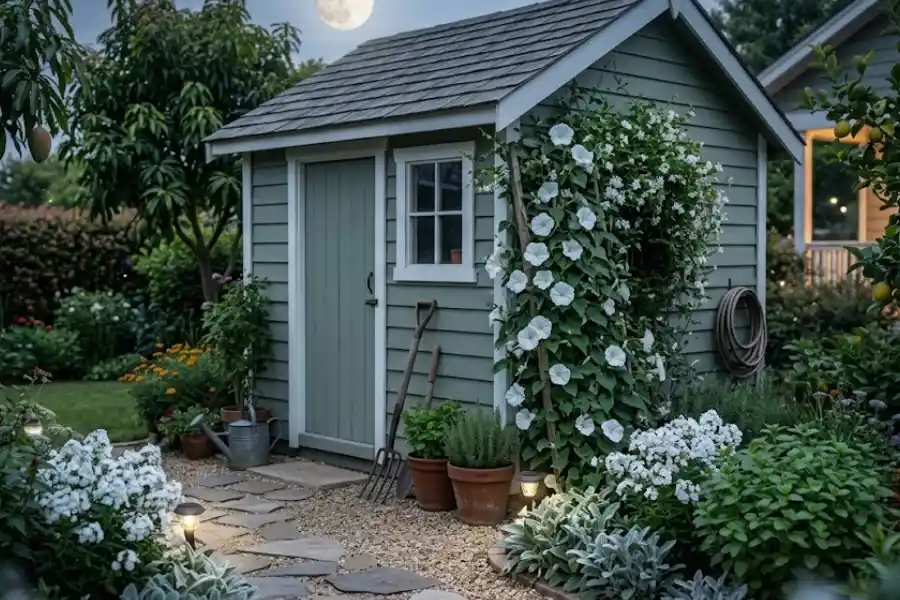
A moonlight garden is built to shine at night, not during the day. It leans on white and pale flowers. It uses silver or gray leaves. It adds shiny surfaces that catch even a little light. It is not chasing bright color. It is chasing glow.
This idea is old. Royal gardens in Persia and India once grew pale, sweet flowers for evening walks. In England, the White Garden at Sissinghurst Castle made the idea famous again. Today, home gardeners everywhere borrow the same trick.
A garden like this does not compete with the day. It simply waits for the dark to shine.
Why Build One
This kind of garden goes beyond looks. It solves a real problem. Most of us are busy all day. We only get to enjoy our yard in the evening. A normal garden can look flat and dull once the sun drops. This one is made for that exact moment.
- It looks amazing after dark. Pale flowers and silver leaves seem to glow on their own.
- It smells wonderful. Many night-blooming flowers save their best scent for evening.
- It helps wildlife. Moths and bats depend on evening flowers for food.
- It gives you a reason to slow down. A quiet walk through a glowing yard is a simple way to unwind.
Plan It in 5 Simple Steps
You do not need a big yard or a big budget. Just follow these five steps.
- Pick the right spot. Choose a place you can see from your porch or a window. It helps if the sky is open above it. If you sit on a deck at night, plant close by.
- Choose pale colors. White flowers reflect the most light. Silver, gray, and pale yellow work well too. Skip rich red and dark purple. Those colors vanish once the sun goes down.
- Add fragrance. Pick two or three plants that release scent at night, like night-scented stock or moonflower. Place them near your seating so the smell can reach you.
- Add reflective touches. Light gravel, white stones, pale pots, and a small mirror or gazing ball all bounce light around. These small touches matter as much as the plants.
- Light it the smart way. Skip harsh floodlights. Use a few soft, warm solar lights along a path. Bright white LED lights can confuse moths and other night visitors, so less is more.
3 Design Styles to Try
Not every moonlight garden has to look the same. Here are three styles to borrow from.
- Formal white garden. Neat rows, clipped hedges, and mostly white blooms. This is the classic Sissinghurst look. It suits a small, tidy yard.
- Wild cottage style. A looser mix of white, silver, and pale pink plants left to spread a bit. Great for a relaxed backyard feel.
- Desert moon garden. White gravel, pale succulents, and silver cactus like Queen of the Night. Perfect for dry climates with little rain.
15 Plants That Glow at Night
These plants are proven favorites. Check your USDA zone first. A few only survive winter in warm areas.
- Moonflower. Zones 10 to 12, or grown as an annual elsewhere. A fast vine with huge white blooms and a lemon scent.
- Evening primrose. Zones 3 to 9. Easy care, with yellow or white flowers that open at dusk.
- White garden phlox. Zones 4 to 8. Tall white clusters that bloom from midsummer into fall.
- Shasta daisy. Zones 5 to 9. Wide white petals that catch light like small mirrors.
- Night-scented stock. Grown as an annual almost anywhere. Small but powerfully fragrant at night.
- White peony. Zones 3 to 8. Large, fragrant spring blooms that need a cold winter.
- Casa Blanca lily. Zones 4 to 9. Huge, scented white trumpets that stand out after dark.
- Silver artemisia. Zones 4 to 9. Soft silvery leaves that glow with no flowers needed.
- Lamb’s ear. Zones 4 to 8. Fuzzy silver leaves, great for edging a path.
- White hydrangea. Zones 3 to 9. Big round flower heads that hold light well.
- Gardenia. Zones 8 to 11, or grown in a pot elsewhere. Waxy blooms with a rich scent.
- Night jasmine. Zones 8 to 11. Small white flowers, strongest scent after sunset.
- Four o’clocks. Zones 9 to 11, annual elsewhere. Blooms open in late afternoon and stay open all night.
- Sweet alyssum. Grown as an annual almost everywhere. Low, honey-scented, and easy from seed.
- White climbing rose. Zones 5 to 9. A classic pale backdrop for an arched garden trellis or fence.
Small-Space Ideas for Balconies and Patios
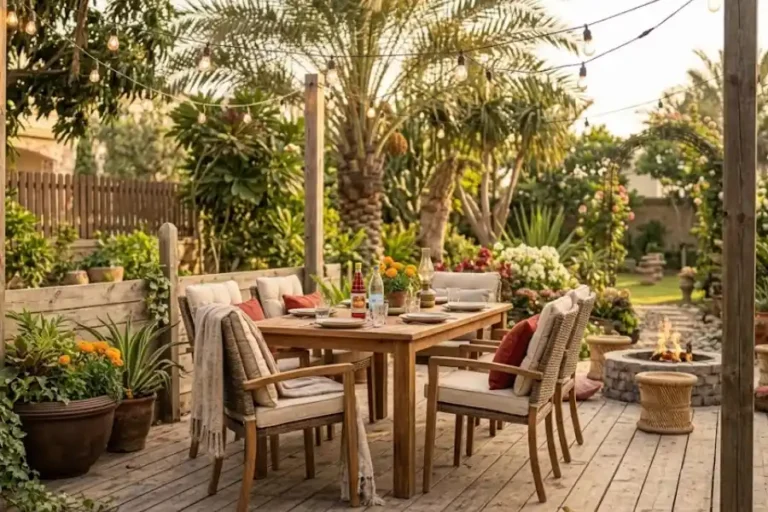
You do not need a big yard for this. A well-planned balcony garden can glow just as beautifully with only a few pots.
- Grow a moonflower vine in a large pot next to a railing.
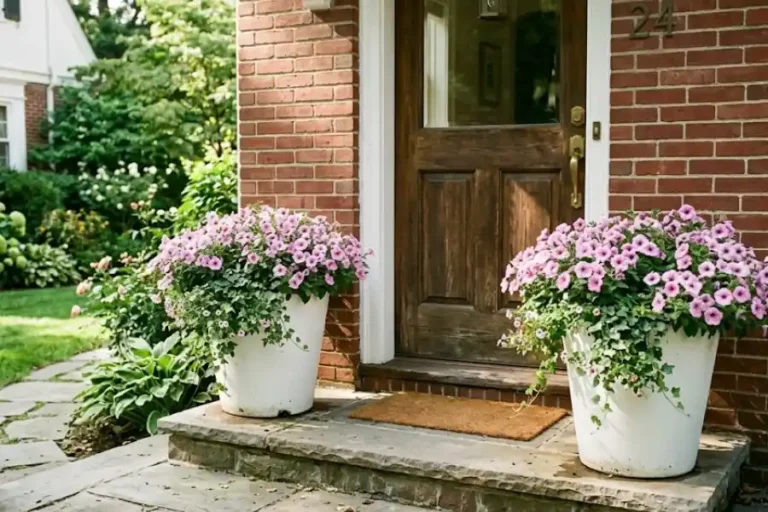
- Fill a window box with white petunias and sweet alyssum.
- Keep a pot or two of night-scented stock near your chair.
- Add a small white lantern or a jar of fairy lights.
- Choose light-colored pots. They reflect light too.
A Safety Note Before You Plant
A few popular plants here are not safe around kids or pets. Moonflower seeds are poisonous if eaten. Angel’s trumpet, a relative of datura, is toxic in every part. Lilies are especially risky for cats. Look up each plant before you buy it, and keep the riskier ones out of reach.
A Simple Care Calendar
Keeping this garden healthy does not take much extra work. Here is a simple routine.
- Spring: Plant new flowers after the last frost. Refresh light-colored mulch or gravel.
- Summer: Remove spent blooms often. Water in the early morning.
- Fall: Cut back perennials. Save seeds from annuals like moonflower.
- Winter: Bring tender potted plants indoors. Start planning next year’s layout.
Common Mistakes to Avoid
- Using bright white floodlights instead of soft, warm light.
- Planting only white flowers and skipping silver leaves.
- Forgetting fragrance, which is half the magic.
- Ignoring night pollinators by picking only daytime bloomers.
- Planting fast vines like moonflower with no way to control them.
Frequently Asked Questions
What is another name for a moonlight garden?
Most people also call it a moon garden or a white garden. All three names mean the same thing, a garden built to look its best after dark.
Do these gardens need full sun?
Yes, most of the time. Sunlight helps the plants grow strong. The flowers are simply enjoyed at night.
Can I grow one in a small yard or on a balcony?
Yes. A few pots of moonflower, night-scented stock, and white petunias can create a lovely glow in a small space.
What flowers glow the most at night?
White flowers with a smooth, waxy surface glow the brightest. Moonflower, white peony, and Casa Blanca lily are strong choices. Silver leaves reflect light well too.
Are these gardens good for pollinators?
Yes. Night-blooming flowers feed moths, bats, and other pollinators that work after dark.
How do I light it without harming wildlife?
Stick to soft, warm-toned solar lights. Only light the paths you need to see. Skip bright white floodlights, which can confuse moths and other night visitors.
Final Thoughts
This kind of garden does not need to be big, expensive, or perfect. A few white flowers, a patch of silver leaves, and one soft light can turn an ordinary evening into something worth stepping outside for. Start small, pick plants that fit your space, and let the moon do the rest.