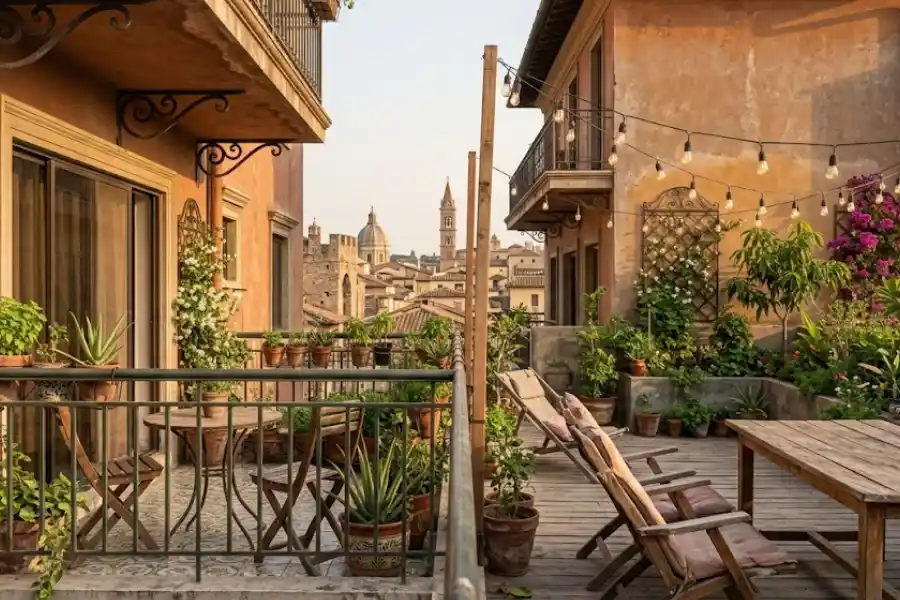
Terrace vs Balcony: Key Differences, Costs & Which to Pick
You’re scrolling through apartment listings or house plans, and you keep seeing these two words: terrace and balcony. They sound almost the same. But they are not the same thing. And picking the wrong one for your lifestyle can mean paying for outdoor space you barely use.
This article breaks down the real differences in plain, simple terms. No confusing jargon. Just clear answers, so you can decide which one fits your home, your budget, and your daily life.
Terrace vs Balcony: The Quick Answer
Here’s the short version. A balcony is a small platform that sticks out from a wall, usually on an upper floor. It’s held up by brackets or beams, and you reach it through one room.
A terrace is a larger, open space. It can sit on the ground, on a raised base, or on a rooftop. It often has more than one way in, and it usually has room for a table, chairs, or even a small garden.
In short: balconies are small and attached to a wall. Terraces are bigger and sit on solid ground or a flat roof. Now let’s dig into why this matters.
What Is a Balcony?
A balcony is like a small outdoor shelf for your home. It’s a raised platform that juts out from the side of a building. Steel brackets, columns, or hidden beams hold it up. A railing runs along the edge to keep you safe.
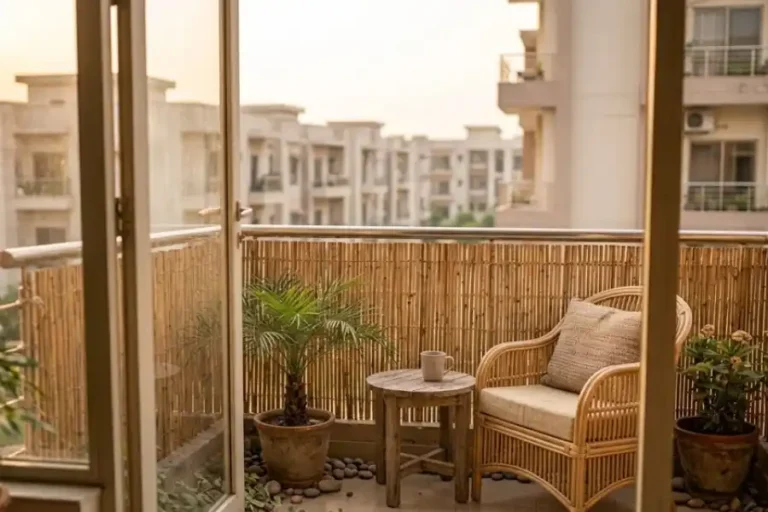
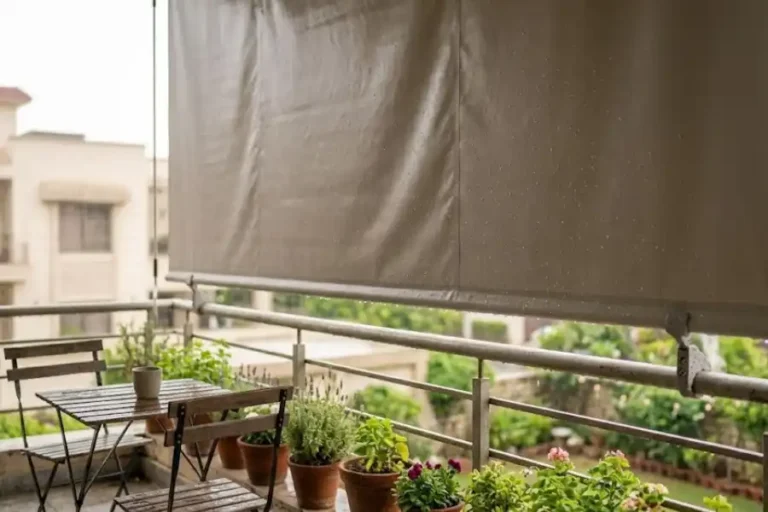
Most balconies are cozy, not spacious. Think of a spot just big enough for two chairs, a small table, and maybe a few potted plants, and if you want ideas for getting the most out of that greenery, this guide to a small balcony garden for beginners is a good place to start. You almost always reach it through a single bedroom or living room. There is no other way in.
Hotels use balconies a lot. So do apartment buildings. That’s because a balcony gives you fresh air and a view without needing a big footprint or an entirely separate addition.
What Is a Terrace?
A terrace is a different animal altogether. It’s a flat, open outdoor area that rests on solid ground, a raised base, or the roof of a building. Unlike a balcony, it doesn’t hang off a wall. It sits on something sturdy underneath it.
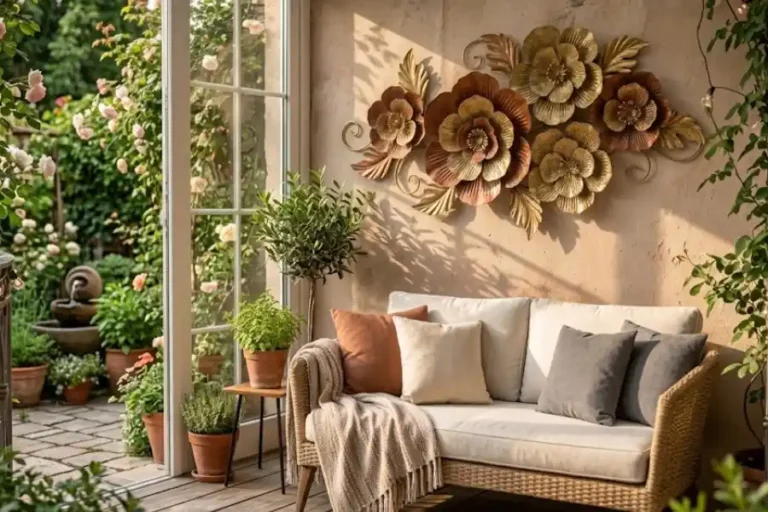
Terraces are made for spending real time outdoors, not merely passing through them. You can fit a dining table, lounge chairs, a grill, or even planters for a mini garden. If you’re not sure where to start furnishing one, these front patio decor ideas cover layout and lighting tips that work just as well on a terrace. Many terraces have more than one entry point. You might walk out from the kitchen, the living room, or even a side door.
A simple way to remember it: a balcony hangs off the building. A terrace stands on something solid.
Terrace vs Balcony: 6 Differences That Matter
1. Size
This is the biggest and clearest difference. Balconies are small. Most are only a few feet across, just enough for a chair or two. Terraces are much bigger. Some can stretch twenty feet or more, with plenty of room for furniture and guests.
2. Location on the Building
Balconies almost always sit on upper floors, jutting out from a wall. Terraces can be almost anywhere. They can sit at ground level, on a raised platform, or on a rooftop. The one exception is a rooftop terrace, which sits high up but still rests on a solid surface, not a wall bracket.
3. How You Reach It
A balcony connects to one room only. If your bedroom has a balcony, that’s your only way out to it. A terrace is more flexible. It can connect to several rooms, or even to a shared hallway if it’s a communal space in an apartment building.
4. How It’s Built
Balconies rely on cantilevered beams or brackets bolted into the building’s frame. This keeps them light but limits how big they can be. Terraces rest on a solid base, like a concrete slab or a podium deck. This lets them carry more weight, which is why they can hold heavier furniture, soil for plants, or a crowd of people. That extra capacity is exactly why so many terrace owners branch out into container garden ideas, big pots, raised beds, and even small trees that a balcony usually isn’t built to hold.
5. Privacy
Balconies are almost always private. Since only one room leads to it, it belongs to that unit alone. Terraces can go either way. Some are fully private, tied to a single home. Others are shared spaces, like a rooftop deck the whole building uses together.
If either space still feels too exposed to neighbors, a few outdoor privacy screen ideas can section it off without blocking the airflow or light you’re out there for in the first place.
6. Weather Exposure
Both spaces sit outdoors, so both deal with rain, sun, and wind. But because terraces are bigger and often at ground level, they tend to feel more exposed during storms. Balconies, being smaller and tucked against a wall, sometimes get a bit of natural shelter from the building itself.
Terrace vs Balcony: Which Costs More?
This is a question most articles skip, but it matters a lot if you’re building or renovating. A balcony is generally cheaper to add. It needs less material, a smaller support frame, and a simpler railing system.
A terrace usually costs more. It needs a solid foundation, proper drainage, and waterproofing, especially if it sits above another room. Rooftop terraces cost the most, since they need heavy-duty waterproof membranes to stop leaks into the space below.
Here’s a simple cost breakdown to keep in mind:
- Balcony: Lower cost, smaller build, less waterproofing needed.
- Ground-level terrace: Moderate cost, needs a solid base and good drainage.
- Rooftop terrace: Highest cost, needs heavy-duty waterproofing and extra support underneath.
Maintenance costs follow the same pattern. A small balcony is quick and cheap to clean and repair. A large terrace takes more time, more materials, and sometimes professional help to keep it in good shape.
Does a Terrace or Balcony Add More Home Value?
If you’re buying, selling, or renovating, this part matters. In general, a terrace adds more resale value than a balcony. Why? Because it offers more usable space. Buyers can picture themselves hosting dinners, growing plants, or relaxing with a full outdoor setup.
That said, a balcony still adds value, especially in cities where outdoor space is rare. Even a small balcony can make an apartment stand out from one with no outdoor space at all. It’s not about which one is “better.” It’s about which one fits the property and the buyer’s needs.
Terrace vs Balcony: Which One Fits Your Life?
Numbers and definitions are helpful, but real life is what decides this. Think about it this way, based on your situation:
- You live in a city apartment with limited space: A balcony is likely your only option, and that’s fine. It still gives you fresh air and a spot for morning coffee.
- You love hosting dinners or parties: A terrace wins here. You need the extra space for a table, chairs, and guests moving around freely.
- You want to grow a garden: Terraces handle more weight, which means more soil, bigger pots, and even small trees. Balconies can only handle light plants in small containers.
- You’re on a tight renovation budget: A balcony costs less to build and maintain, making it the smarter pick if money is tight.
- You want privacy above everything else: Balconies are almost always private, since only your unit can access them. Double-check terrace listings, since some are shared spaces.
- You’re renting, not buying: Either works, but always ask if the terrace is private or shared before signing a lease. This detail is easy to miss on a floor plan.
Do You Need Permission to Build One?
Yes, in most cases. Adding a balcony or terrace almost always requires approval from your local building department, since both types of additions affect the safety and weight limits of a building. Rules vary by city and country, so this isn’t something to guess on.
Balconies, because they attach directly to the building’s frame, often need safety checks to confirm the wall can hold the extra weight. Terraces, especially rooftop ones, usually need waterproofing plans and drainage approval, since a poorly built terrace can cause leaks into the rooms below.
If you’re renovating an existing space, always check with a licensed contractor or your local permit office before starting work. Skipping this step can lead to costly fixes later, or even having to tear it down and start over.
How to Keep a Terrace or Balcony in Good Shape
Both spaces need regular care, but the details differ slightly. Here are a few simple tips:
- Check railings and brackets on a balcony once a year for rust or looseness, especially in coastal areas where salt air speeds up wear.
- Clear leaves and debris from terrace drains regularly, since blocked drainage is the top cause of water damage.
- Reseal or repaint terrace flooring every few years to protect it from sun and rain damage.
- Avoid overloading a balcony with heavy furniture or large planters unless a professional confirms it can handle the weight.
- Schedule a professional inspection every few years for older balconies and rooftop terraces, since hidden wear and damage isn’t always visible from the surface.
Frequently Asked Questions
Is a terrace the same as a balcony?
No. A terrace is a larger, open space that sits on solid ground, a raised base, or a rooftop. A balcony is a smaller platform that hangs off a building’s wall and connects to just one room.
Which is cheaper, a balcony or a terrace?
A balcony is usually cheaper to build and maintain, since it needs less material and a simpler build. Terraces cost more, especially rooftop terraces, because they need stronger foundations and waterproofing.
Can a balcony be turned into a terrace?
Not really, since the two are built in completely different ways. A balcony relies on wall-mounted brackets, while a terrace needs a solid base underneath it. Converting one into the other usually means a full rebuild, not a simple renovation.
Is a terrace safer than a balcony?
Both can be safe if built and maintained correctly. Balconies rely on strong brackets and regular inspections. Terraces rely on solid foundations and proper drainage. Neither is automatically safer, but both need routine checks to stay that way.
Do apartments usually have terraces or balconies?
Balconies are far more common in apartment buildings, since they take up less space and fit easily on upper floors. Terraces are more often found in penthouses, ground-floor units, or as shared rooftop amenities.
Final Thoughts
The terrace vs balcony choice really comes down to space, budget, and how you plan to use it. If you want a cozy nook for your morning coffee, a balcony does the job perfectly. If you’re dreaming of dinner parties, a garden, or a full outdoor living room, a terrace is worth the extra cost.
Either way, now you know what you’re looking at the next time you see these words on a listing or a blueprint. And that’s one less confusing decision standing between you and your perfect outdoor space.