Stone Table Garden Furniture: Types, Costs, and Care Tips
Picture your backyard ten years from now. The wooden table you bought last spring is warped and gray. The metal chairs have rust spots at the joints. But one piece is still sitting exactly where you left it, looking almost untouched by time. That piece is almost always made of stone.
Stone table garden furniture is not a new idea. People have used stone tables in gardens for hundreds of years, long before plastic or metal patio sets existed. But it is having a real comeback right now, and once you understand why, it is hard to look at flimsy patio furniture the same way again.
Below, you’ll find the different types of stone used in garden furniture, the pros and cons of each, what you should expect to pay, and how to keep your table looking great for decades. No sales pitch, just the facts you need to make a smart choice.
What Is Stone Table Garden Furniture?
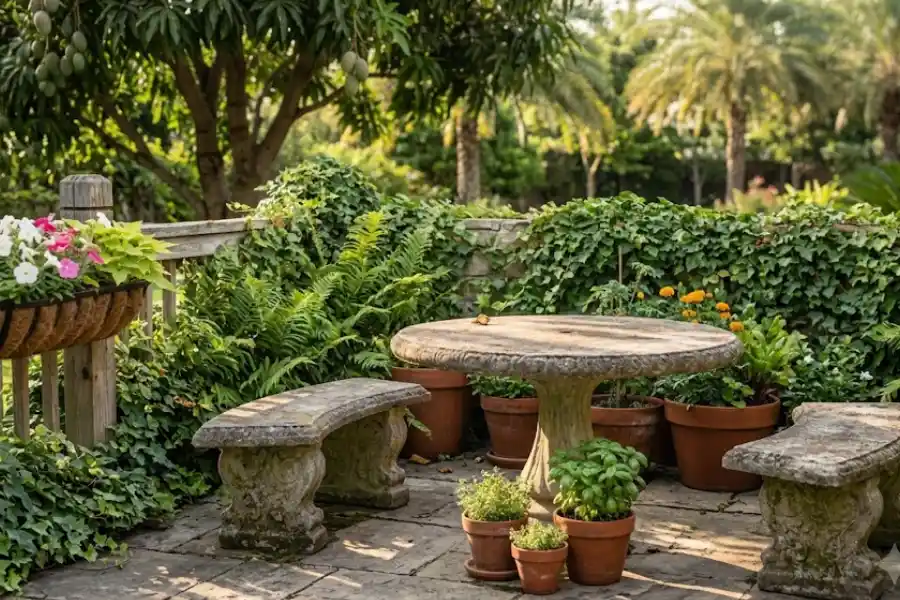
Stone table garden furniture is any outdoor table, and often matching chairs or benches, made from stone or a stone-based material instead of wood, metal, plastic, or wicker. The term covers a wide range of products, from a hand-carved marble slab table to a mass-produced cast stone dining set from a home improvement store.
What ties them all together is weight, durability, and a natural look that never really goes out of style. A stone garden table is not something you fold up and store in the garage every winter. It is meant to live outside, through rain, sun, snow, and everything in between, for years at a time.
Why More People Are Choosing Stone Over Wood or Metal
If you have ever owned patio furniture, you already know the problem. Wood needs sanding, staining, and sealing almost every year, or it starts to crack and rot. Metal furniture looks great for a season, then rust spots start creeping in around the screws and joints. A plastic outdoor garden table fades, turns brittle in the cold, and sometimes just snaps.
Stone garden furniture skips most of these problems. It does not rot, rust, or fade the way other materials do. It is heavy enough that a strong gust of wind will not send your table tumbling across the lawn. And because stone has been used in outdoor construction for centuries, it is genuinely built for the exact conditions your garden throws at it.
There is also a style reason people keep coming back to stone. A stone table does not scream “patio furniture.” It looks more like part of the landscape itself, especially next to garden beds, stone pathways, or a brick patio.
6 Types of Stone Used in Garden Furniture
Not all stone garden furniture is the same, and the differences matter more than most sellers explain. Here is a simple breakdown of what you will likely come across while shopping.
- Cast stone: A mix of crushed stone, cement, and sand poured into molds. It looks like carved natural stone but costs a fraction of the price. Most garden tables sold today, including “stone-look” sets at big box stores, are cast stone.
- Granite: A natural stone that is extremely hard and barely absorbs water. It handles heat, cold, and heavy daily use better than almost any other stone. Granite garden tables cost more but need very little care.
- Marble: Known for its elegant veining, marble is softer than granite and absorbs liquids easily. It can stain from spilled wine, coffee, or even rain mixed with tree sap, so it does better on a covered patio than out in the open.
- Limestone: A softer natural stone that develops a beautiful, weathered patina over time. Many classic European garden tables are made from limestone. It carves into detailed shapes easily but needs occasional sealing.
- Travertine: A textured, porous stone often used in Mediterranean-style gardens. It has small natural holes in its surface, which give it character but also mean it needs regular sealing to resist stains.
- Concrete: Similar to cast stone but usually left with a smoother, more modern finish. Concrete garden tables are popular in contemporary designs and tend to be the most budget-friendly option.
The Real Pros and Cons of Stone Garden Furniture
No material is perfect, and stone table garden furniture is no exception. Both sides deserve a fair look before you buy.
The Pros
- Built to last decades, sometimes generations, with almost no wear and tear.
- Does not rot, rust, warp, or get eaten by insects.
- Heavy enough to stay in place during strong wind and storms.
- Ages well. Most stone looks better, not worse, after a few years outside.
- Naturally fire-resistant and heat-resistant, so hot dishes or nearby fire pits are not a concern.
- Low long-term cost, even though the upfront price can be higher.
The Cons
- Heavy, which makes it hard to move or rearrange once it is in place.
- Natural stone options can be expensive, especially marble or granite.
- Porous stones like limestone and travertine can stain or need sealing.
- Cold, hard surface, so nearby seating may need cushions for comfort.
- Cheap, poorly made cast stone can crack during freeze and thaw cycles if it was not made for cold climates.
- Delivery and setup can be a challenge because of the weight.
How to Choose the Right Stone Table for Your Garden
Once you know the material options, the next step is matching a table to your actual space and needs.
- Measure your space first. Stone tables are permanent fixtures in most gardens. Leave at least 24 to 36 inches of clearance around the table for chairs and movement.
- Match the base style to your garden. Pedestal and column bases suit classic, formal gardens. Slab or block bases suit modern, minimal spaces.
- Check for a frost-proof rating if you live somewhere with cold winters. Not every cast stone product is made to handle repeated freezing and thawing.
- Decide between natural stone and cast stone based on budget. Cast stone gives you the look for less money. Natural stone costs more but offers one-of-a-kind veining and texture.
- Consider color against your patio and landscaping so the table complements your outdoor space instead of clashing with it.
What Does Stone Garden Furniture Cost?
Prices vary a lot depending on the material and craftsmanship. Typical price ranges look like this:
- Entry-level cast stone or concrete tables typically run from about $150 to $600.
- Cast stone sets with matching chairs or benches often fall between $500 and $1,500.
- Natural stone pieces, such as a single granite bench, commonly start around $500.
- Full natural stone sets, like a limestone table with two matching benches, can run $3,000 to $4,000 or more.
It helps to think of a stone table as an investment rather than a purchase. A wood or plastic set might need replacing every five to ten years. A well-made stone table can outlast several of those replacements combined, which often makes the real cost per year lower in the long run.
How to Care for Your Stone Table So It Lasts Decades
- Brush off leaves, dirt, and debris on a regular basis so grime does not build up in the surface.
- Wash with warm water and mild soap. Avoid harsh, acidic cleaners like vinegar or bleach on natural stone, since they can etch the surface, especially on marble and limestone.
- Reseal porous stone, including limestone, travertine, and some cast stone, roughly every one to two years to block stains.
- Use coasters, trivets, or placemats for hot dishes and drinks to prevent heat marks and staining.
- Check for hairline cracks every spring, especially after a harsh winter, and fill small cracks early before they widen.
- Cover or move the table during extreme freezing weather if it is not rated frost-proof for your climate.
Smart Ways to Style a Stone Table in Your Garden
Once your table is in place, a little styling makes it feel finished. Our garden table decor guide has plenty of extra inspiration if you want to take it further, but a few simple choices go a long way on their own:
- Pair it with a matching stone bench for a cohesive, classic look, or set a wood outdoor garden bench alongside it for softer contrast.
- Add outdoor cushions or a table runner to soften the hard, cool surface.
- Surround it with potted plants or low hedges so it blends into the landscape.
- Place it near a quiet corner of the garden to create a simple reading or coffee spot.
- Mix textures by pairing a stone table with wood or wicker chairs for visual contrast.
Mistakes to Avoid When Buying Stone Garden Furniture
- Skipping the frost-proof check if you live in a cold climate.
- Underestimating weight and delivery logistics. Some tables need multiple people or special equipment to move.
- Choosing a porous stone for high-splash areas, like near a pool, without confirming it can be sealed properly.
- Buying based on photos alone without checking dimensions against your actual space.
- Ignoring the base design. Some pedestal bases wobble on uneven or soft ground.
Frequently Asked Questions
Is stone garden furniture worth the extra cost?
For most homeowners, yes. Stone table garden furniture costs more upfront than plastic or basic wood sets, but it rarely needs replacing. Over ten or twenty years, the cost per year is often lower than buying cheaper furniture again and again.
Can stone garden tables stay outside all year?
Most can, especially cast stone and granite pieces made for outdoor use. Always check the frost-proof rating before leaving a table outside through freezing winters, since not every product is built for extreme cold.
Does stone garden furniture crack in winter?
Well-made, frost-proof stone rarely cracks. Cracking is usually a sign of a lower-quality cast stone product that trapped moisture, or an older piece with existing hairline damage that expanded during a freeze.
What is the difference between cast stone and natural stone furniture?
Cast stone is manmade from a stone, cement, and sand mixture poured into a mold, which keeps the price lower. Natural stone, like granite, marble, or limestone, is cut directly from the earth, so each piece has unique markings and typically costs more.
How do I clean a stone garden table?
Brush off loose debris, then wash with warm water and mild soap using a soft cloth or brush. Rinse well and let it air dry. Avoid harsh acidic cleaners on natural stone, and reseal porous stone every year or two.
Final Thoughts
Stone table garden furniture is not the cheapest option in the store, and it is not the lightest thing you will ever move. But if you want a table that still looks good after your neighbor’s third or fourth patio set has come and gone, stone is hard to beat. Choose the right type of stone for your climate and budget, take a few simple care steps each year, and you will likely be enjoying that same table for decades to come.